News & Views
Designing roof terraces that work for people and the planet

Designing roof terraces that work for people and the planet

March 2026

Creating outdoor roof spaces that perform year-round requires a combination of structural ingenuity and an understanding of how people use space, how materials perform over time, and the urban environments in which these spaces operate. Raaft’s innovative screwless roof terrace systems enable architects and developers to overcome design challenges while supporting more sustainable, greener rooftop environments.

Why roof terraces matter

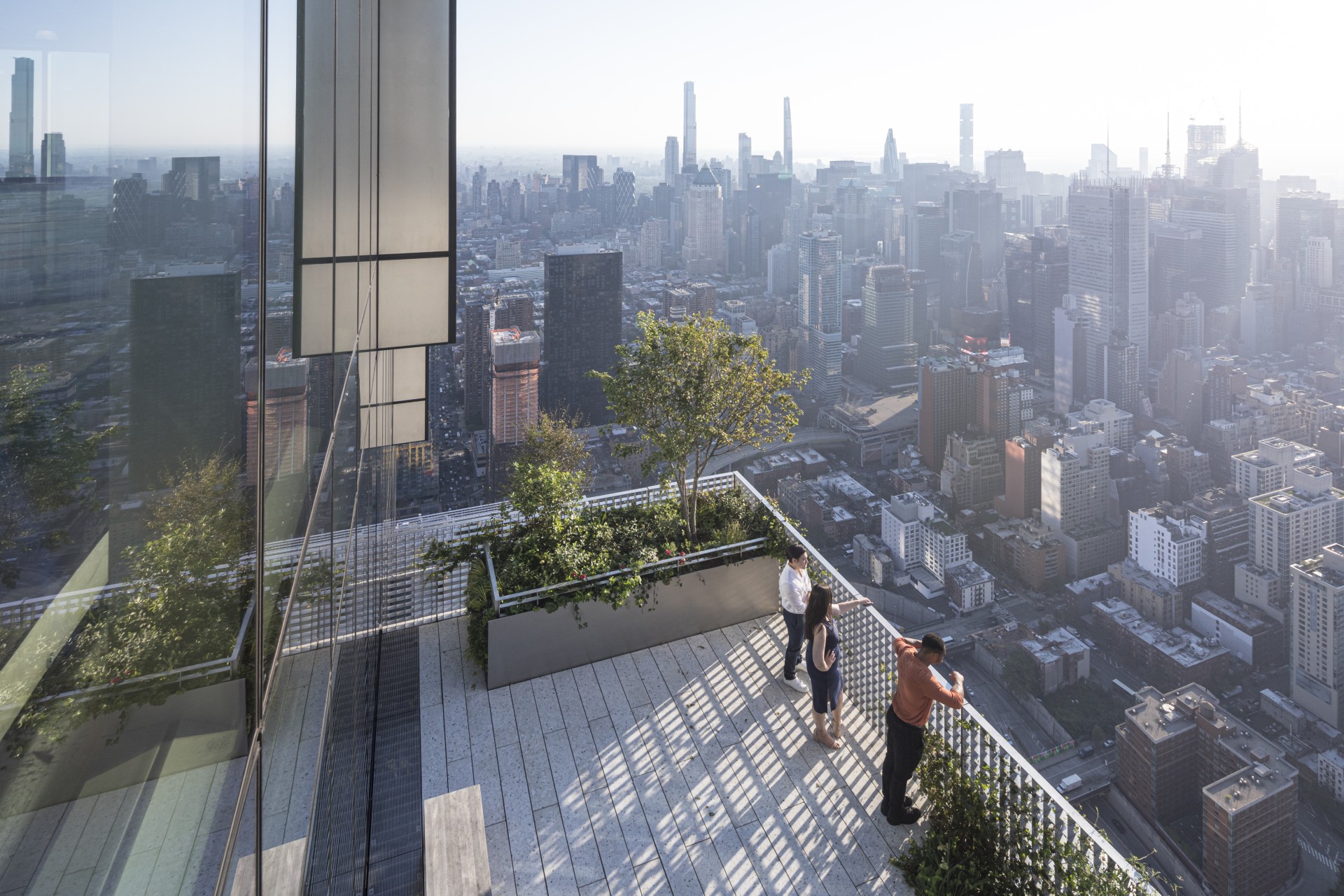
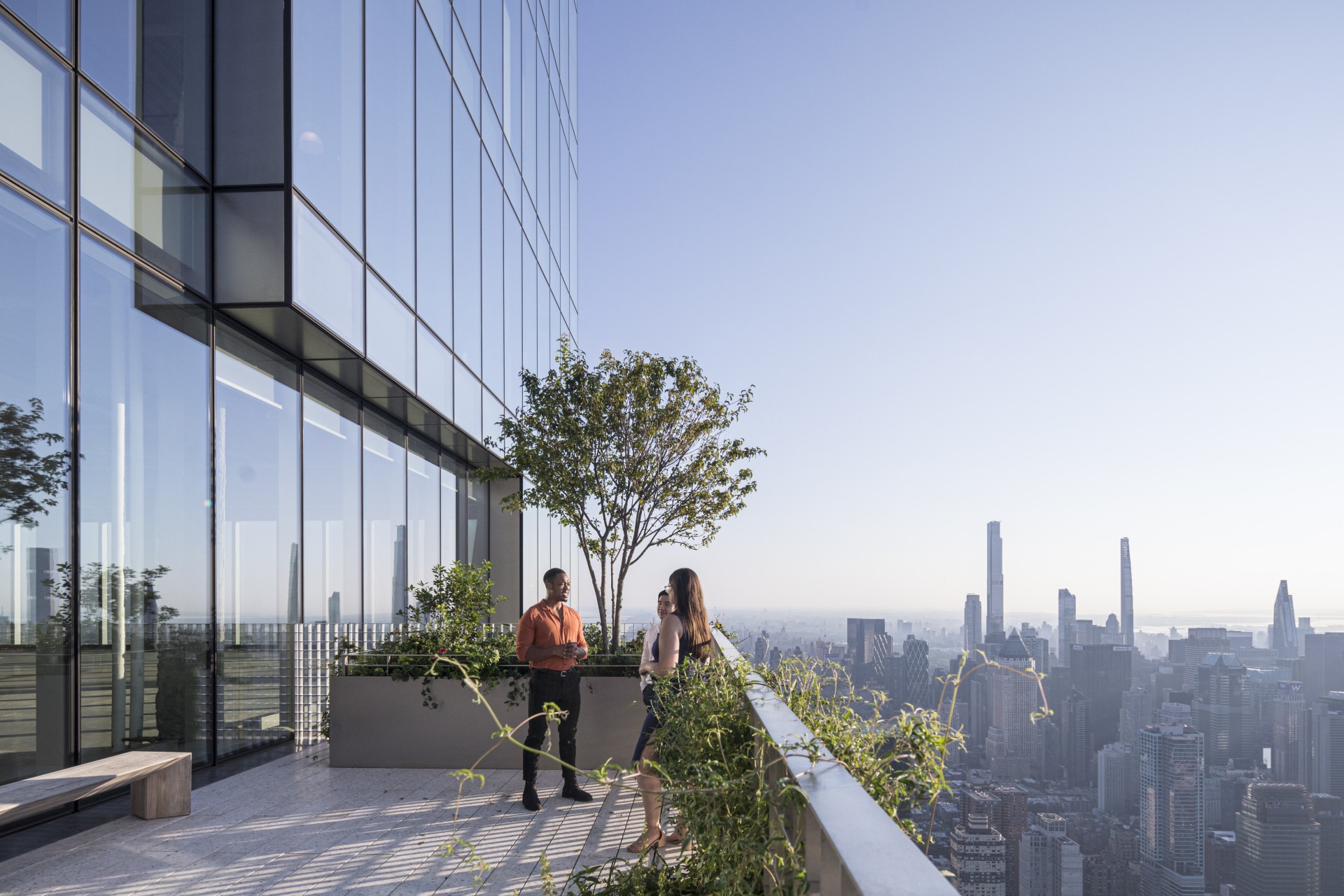
Space has become a valuable commodity in our towns and cities which has led to rooftops becoming valuable extensions of the built environment. Well-designed roof terraces allow architects and developers to transform previously unused roof areas into vibrant outdoor spaces for relaxation, social interaction and connection with nature.

Across residential, hospitality and commercial developments, these spaces were once overlooked but can now play an important role in enhancing wellbeing. Access to outdoor environments has been widely linked to improved mental and physical health, while shared rooftop spaces can help foster a stronger sense of community within buildings. For many developments across the UK, roof terraces are now considered an essential design feature rather than an optional extra.

Long-term performance

Creating roof terraces that support sustainability and year-round use also requires construction systems that are durable, adaptable and efficient to install. The traditional terrace construction approach often relies on bespoke substructures and numerous fixings, which can add complexity and increase installation time on exposed rooftops.

Raaft’s screwless terrace system takes a different approach. Its modular aluminium framework uses interlocking joists and bracing struts that eliminate the need for screws, helping simplify installation while maintaining strength and stability.

The system also incorporates adjustable pedestals, allowing installers to achieve precise levelling even on uneven roof surfaces. Manufactured from durable materials, these height adjustable pedestals provide reliable support while helping distribute loads evenly across the roof structure.

As part of a fire rated terrace system, the components are designed to meet relevant UK building regulations for terraces while delivering long-term durability in exposed rooftop environments.

By combining modular engineering, resilient materials and flexible design possibilities, Raaft’s complete terrace system enables architects and developers to create roof terraces that are easier to install, built to last and designed to support both people and the planet.

Sustainability at rooftop level

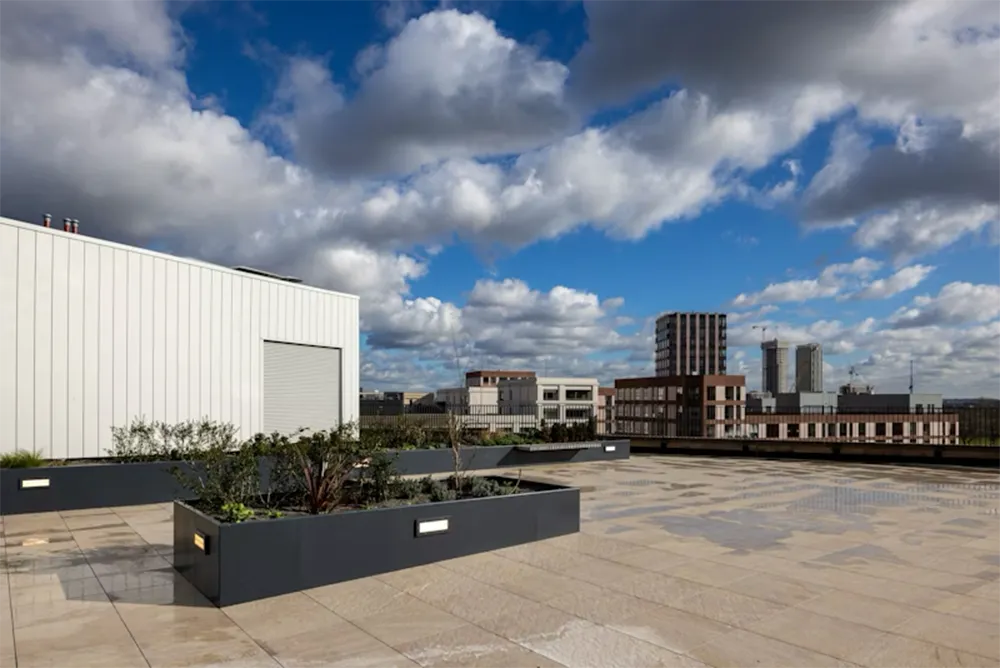
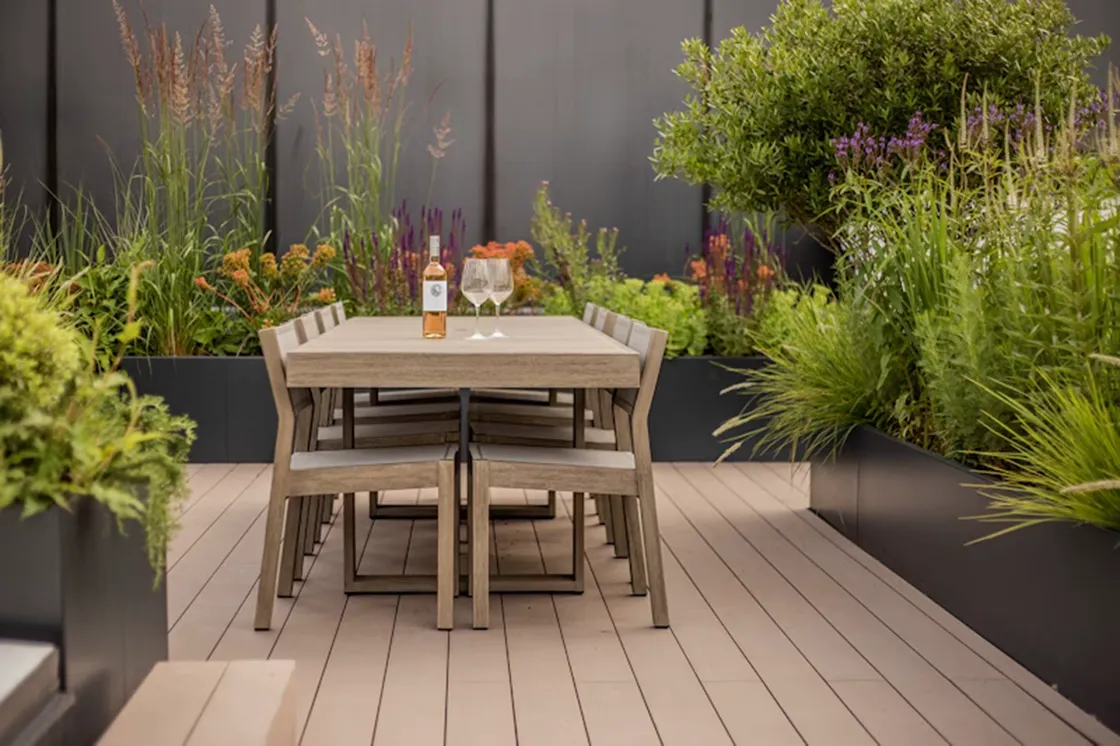
Roof terraces can also contribute to more sustainable urban environments when they are designed with nature in mind. Planting, greenery and integrated steel planters can introduce biodiversity to dense city environments while helping soften otherwise hard architectural surfaces. Vegetation at roof level can also contribute to cooling effects that help mitigate urban heat island impacts.

A well-designed complete terrace system can also support wider building sustainability strategies. Rooftop spaces can be combined with solar energy systems, rainwater management solutions or other environmental features that contribute to a building’s overall performance. Furthermore, Raaft’s modular terrace systems are manufactured using durable and recyclable terrace products, helping ensure long-term performance while supporting circular design principles.

Designing for year-round use

For a roof terrace to deliver lasting value, usage should not be restricted to the warmer, summer months and should be available throughout the year. Exposure to wind, rain and seasonal temperature changes can limit how often rooftop spaces are used if these factors are not considered early in the design process. Features such as pergolas and screens, integrated lighting and carefully positioned planting can create sheltered environments that remain comfortable across the seasons.

Material selection also plays an important role. Durable surfaces such as porcelain decking provide both longevity and visual appeal, ensuring terraces remain safe and attractive despite constant exposure to weather. When combined with flexible layouts, modern roof terrace systems allow designers to create spaces that adapt to different uses and seasonal conditions.